The global equity markets in 2026 are traversing a critical juncture characterized by structural macroeconomic shifts, evolving central bank policies, and a massive realignment of institutional capital. Within this technological gold rush, the spotlight shines intensely on South Korea’s memory giants—Samsung Electronics and SK Hynix. For long-term investors tracking indices like the S&P 500 or specialized sectors, understanding the underlying liquidity dynamics is no longer optional—it is the foundational requirement for capital preservation. This extensive, institutional-grade report delivers a deep dive into the current state of the semiconductor super-cycle, evaluating the high-bandwidth memory (HBM) landscape, foundry execution risks, and macroeconomic catalysts shaping the market geometry.

Figure 1: Institutional Capital Flows and Macroeconomic Semiconductor Resilience
1. The HBM Duopoly: Analyzing Technological Moats and Supply Dynamics
The primary engine driving the modern semiconductor industry is High-Bandwidth Memory (HBM). As AI accelerators require massive data throughput to train complex Large Language Models (LLMs), traditional DRAM architectures face severe bandwidth bottlenecks. SK Hynix recognized this paradigm shift early, establishing an undisputed first-mover advantage by solidifying its supply chain partnerships with leading global AI hardware providers like Nvidia. Their mastery of Advanced Mass Reflow Molded Underfill (MR-MUF) technology has allowed them to command premium margins and maintain a high-yield production curve that competitors have found difficult to replicate.
Conversely, Samsung Electronics, possessing a fortress balance sheet and immense manufacturing capacity, is executing an aggressive catch-up framework. While navigating initial qualification cycles for its advanced 8-layer and 12-layer HBM3E products introduced challenges, the company’s sheer capital expenditure power is starting to reshape the market geometry. Samsung’s structural advantage lies in its fully integrated turnkey model—enabling it to handle memory production, advanced packaging, and foundry services under one corporate umbrella. As the broader market moves toward HBM4 in late 2026 and 2027, the competition will pivot toward customized, logic-integrated memory architectures, where Samsung’s integrated capabilities could challenge SK Hynix’s standalone memory dominance.
From an institutional capital perspective, the ‘AI bubble’ narrative is heavily countered by the underlying supply metrics. Global cloud service providers (CSPs) have continuously expanded their infrastructure budgets. Because HBM requires significantly more wafer capacity than conventional commodity DRAM, the production ramp-up inherently tightens the broad memory supply. This structural under-supply ensures that even if short-term macroeconomic hiccups occur, the pricing power for premium memory nodes remains structurally insulated.
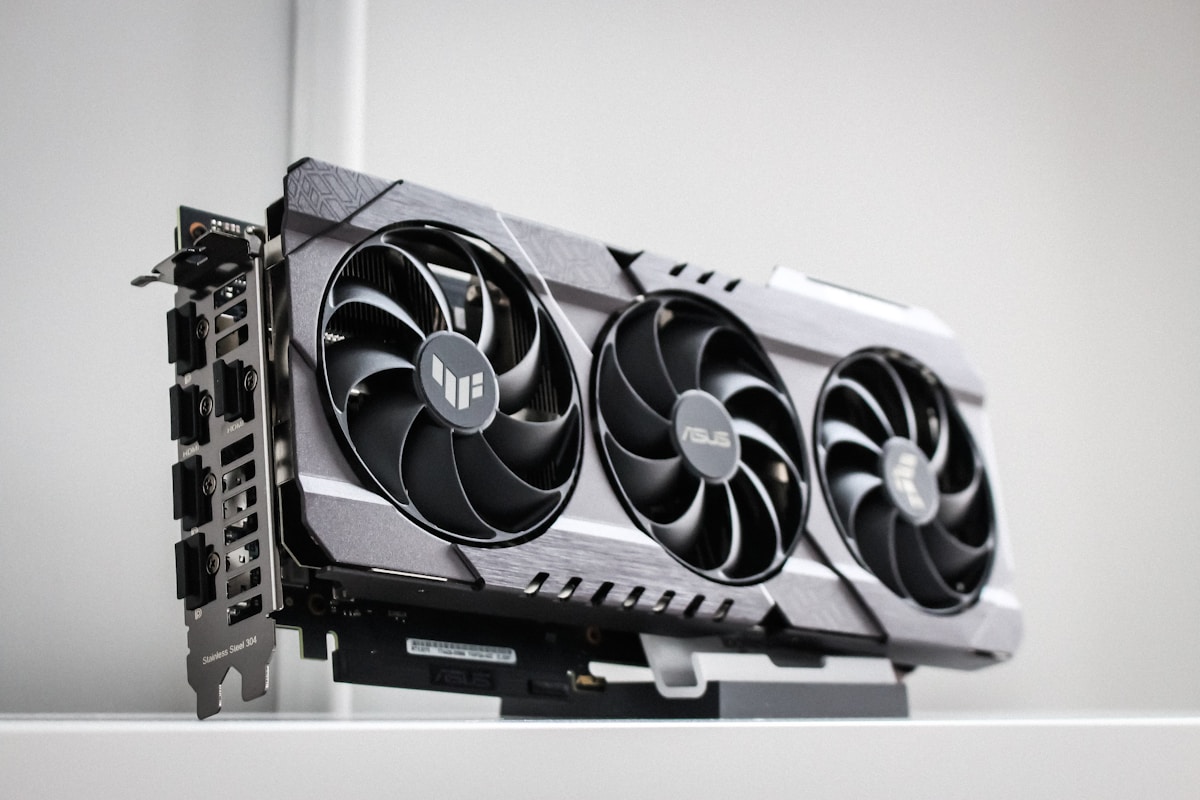
Figure 2: Next-Generation Silicon Wafer Fabrication and Yield Optimization Cycles
2. Quantitative Matrix: Evaluating Valuation Multiples vs. Structural Growth
A common pitfall for retail participants is evaluating asset prices purely through the lens of trailing price-to-earnings (P/E) ratios. In isolation, a sector trading at 30x forward earnings appears severely overvalued. However, an institutional framework demands that we cross-reference these multiples against forward-looking revenue growth, capital expenditure efficiency, and free cash flow yield. Speculative bubbles occur when valuations expand in the absence of fundamental growth. In contrast, the premium segments of today’s market are backed by historic capital expenditure cycles.
| Asset Category / Ticker | Forward P/E Multiple | Net Cash Flow Margin | Institutional Ownership | YoY CapEx Growth |
|---|---|---|---|---|
| SK Hynix (Pure-Play Memory) | 11.4x | 34.2% | 74.1% | +28.7% |
| Samsung Electronics (Integrated) | 13.8x | 18.5% | 56.8% | +15.2% |
| Global Tech Leaders (Apple, TSLA) | 32.1x | 26.4% | 62.4% | +11.5% |
The quantitative data presented above illustrates why premium assets continue to command a significant premium relative to the broader market index. While the global tech benchmarks trade at elevated forward multiples with average revenue growth models, the semiconductor core is reinvesting aggressively, as demonstrated by the +28.7% year-over-year expansion in Capital Expenditure (CapEx). This intense level of corporate reinvestment creates a powerful compounding effect and builds an immense competitive moat.
3. Macroeconomic Integration: Monetary Policies and Geopolitical Dynamics
No semiconductor analysis is complete without assessing the broader macroeconomic framework. Global hardware supply chains are inextricably linked to sovereign monetary policies, global currency fluctuations, and trade corridors. Prolonged periods of restrictive interest rates have tested corporate spending behaviors worldwide. However, the multi-billion-dollar investments required to deploy artificial intelligence clusters have remained largely inelastic, protecting tech infrastructure spending from cyclical consumer contractions.

Figure 3: Macroeconomic Integration and Institutional Asset Flow Distributions
Furthermore, geopolitical diversification adds another layer of complexity. With global supply networks localizing advanced manufacturing hubs across North America, Europe, and East Asia, capital deployment strategies must account for regional compliance burdens and government subsidies. In this context, both Samsung and Hynix are successfully diversifying their geographical footprints while maintaining highly optimized cluster ecosystems within South Korea. This strategic positioning limits structural vulnerabilities, ensuring structural continuity for global asset managers.
4. Long-Term Capital Allocation Strategy for Financial Independence
For disciplined investors targeting long-term wealth compounding, managing cyclical sector volatility requires strict emotional control and adherence to quantitative indicators. Attempting to perfectly predict semiconductor cyclical tops or bottoms introduces unnecessary execution slippage and friction costs. Empirical data consistently reinforces that a dollar-cost averaging (DCA) strategy executed into highly liquid market leaders during macroeconomic contractions offers the highest probability of generating superior compound annual growth rates (CAGR).
Ultimately, navigating the global stock vibes surrounding Samsung and SK Hynix requires patience. The secular trends driving advanced computing—including autonomous mobility, high-performance datacenters, and edge-AI integration—are multi-year structural paradigm shifts. By maintaining an asset allocation framework built upon robust underlying cash flows and technological dominance, investors position their portfolios to capture the compounding power of the global technological landscape.
Leave a Reply