

What is a stop-loss order? It is an instruction that activates a sell order after a stock reaches a chosen stop price. It can help you follow an exit plan, but it does not promise that the shares will sell at that exact price—or, in some versions, that they will sell at all.
From the publisher: During a falling market, I once decided, “If this position loses about 5%, sell it.” I entered the order and thought the problem was handled. Then the price fell beyond 5%, and the shares were still sitting in my account. Why hadn’t they sold? Seriously—what was the order doing?
The loss eventually reached about 28%. By then I felt frozen. I could not bring myself to sell, but I was too frightened to buy more. I nearly cried. Who could I blame? The market, the brokerage app, or myself for placing an order I did not fully understand?
If that has happened to you, the order may not have been broken. You may have used a stop-limit order, the price may have jumped below your limit, the trigger may only have applied during regular trading hours, or the order may have expired. Brokerage rules also differ.
The frustrating lesson is that “sell at minus 5%” is not one universal instruction. We need to know what triggers the order, what kind of order appears after the trigger, and whether a buyer is available at an acceptable price.
Key Takeaways
- A stop-loss order is designed to trigger a sale after the security reaches a stop price.
- After the stop price is reached, a stop order generally becomes a market order.
- The final selling price may be lower than the stop price in a fast or gap-down market.
- A stop-limit order adds a limit price, but that can create no-fill risk.
- Stop-loss orders are tools for risk control, not a substitute for portfolio planning.
What Is a Stop-Loss Order?
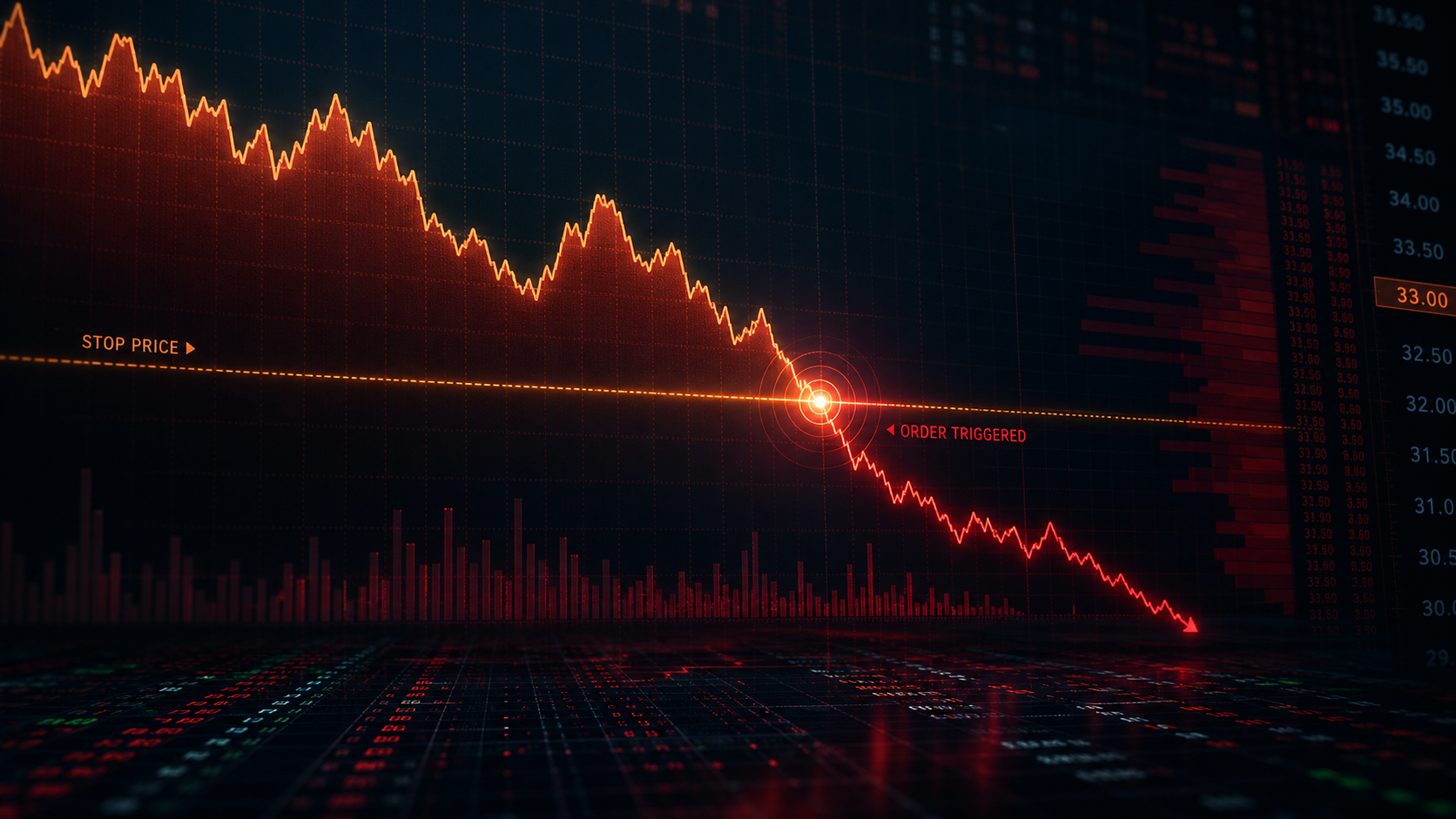
A stop-loss order waits in the background until a security reaches a specified stop price. For a sell stop, that price is normally below the current market price. When the broker’s trigger condition is met, the waiting instruction changes into an active sell order.
Investor.gov’s order type guide explains that a stop order becomes a market order after the stop price is reached. That distinction matters because a market order prioritizes execution, not a guaranteed price.
For example, imagine you bought a stock at $50 and you place a stop-loss order at $45. If the stock falls to $45, the stop order is triggered. The broker then attempts to sell at the best available market price. In a calm market, that may be close to $45. In a fast market, it could be lower.
Why Didn’t My Stop-Loss Order Sell?
I had chosen a 5% loss as my line, yet the stock kept falling. Looking back, the most likely explanation is that the order included price protection and the market jumped below the price I would accept. I cannot confirm that without the old order record, so an investor should check every condition below.
You May Have Entered a Stop-Limit Order
A regular stop order usually becomes a market order after it is triggered. A stop-limit order becomes a limit order. That second version protects your minimum acceptable selling price, but it does not guarantee a sale.
Imagine a $100 stock with a $95 stop and a $94 sell limit. The price jumps from $96 to $92. The stop activates, but the order refuses to sell below $94. If buyers offer only $92, the shares remain in the account. Ah—the protection against a bad price created a different risk: no fill. That is probably what happened to me.
The Order May Have Expired or Been Outside Its Active Session
A day order expires at the end of the trading day. A good-til-canceled order lasts longer, although brokers can impose expiration periods. Some stops trigger only during regular hours, so an overnight price may not activate them.
Your Broker’s Trigger Rule May Be Different
A broker may use a completed trade, a quotation, or another defined event as the trigger. A price briefly shown on the screen may not qualify. Rejection, expiration, cancellation, trading halts, or ineligible shares can also matter.
Check four labels in the order details: order type, stop price, limit price, and time in force. Also check whether the status is open, triggered, rejected, expired, canceled, partially filled, or filled.
| Order | What happens after the trigger? | What it controls | Main risk |
|---|---|---|---|
| Stop order | It generally becomes a market order. | It prioritizes getting out. | The final price can be worse than the stop price. |
| Stop-limit order | It becomes a limit order. | It refuses prices below your limit. | The order may not fill at all. |
Stop Order vs Stop-Limit Order

A stop order and a stop-limit order sound similar, but they behave differently after the trigger. A regular stop order generally becomes a market order. A stop-limit order becomes a limit order after the stop price is reached.
FINRA’s order type guide explains that stop orders and stop-limit orders have different execution risks. A stop-limit order can prevent selling below the limit price, but it may not execute if the market moves through that limit.
Suppose a stock trades at $50. You enter a stop-limit order with a $45 stop and a $44 limit. At $45, the limit order activates. But if the next available buyers are at $42, it may not fill. You still own the stock—not because the stop failed, but because the limit condition could not be met.
6 Things Beginners Should Know
1. The stop price is a trigger, not a guaranteed sale price
This is the most important point. A stop-loss order can help create a planned exit, but the stop price is not the same as the final execution price. Once triggered, the order may sell at the next available market price.
2. Gap-down moves can create a worse fill
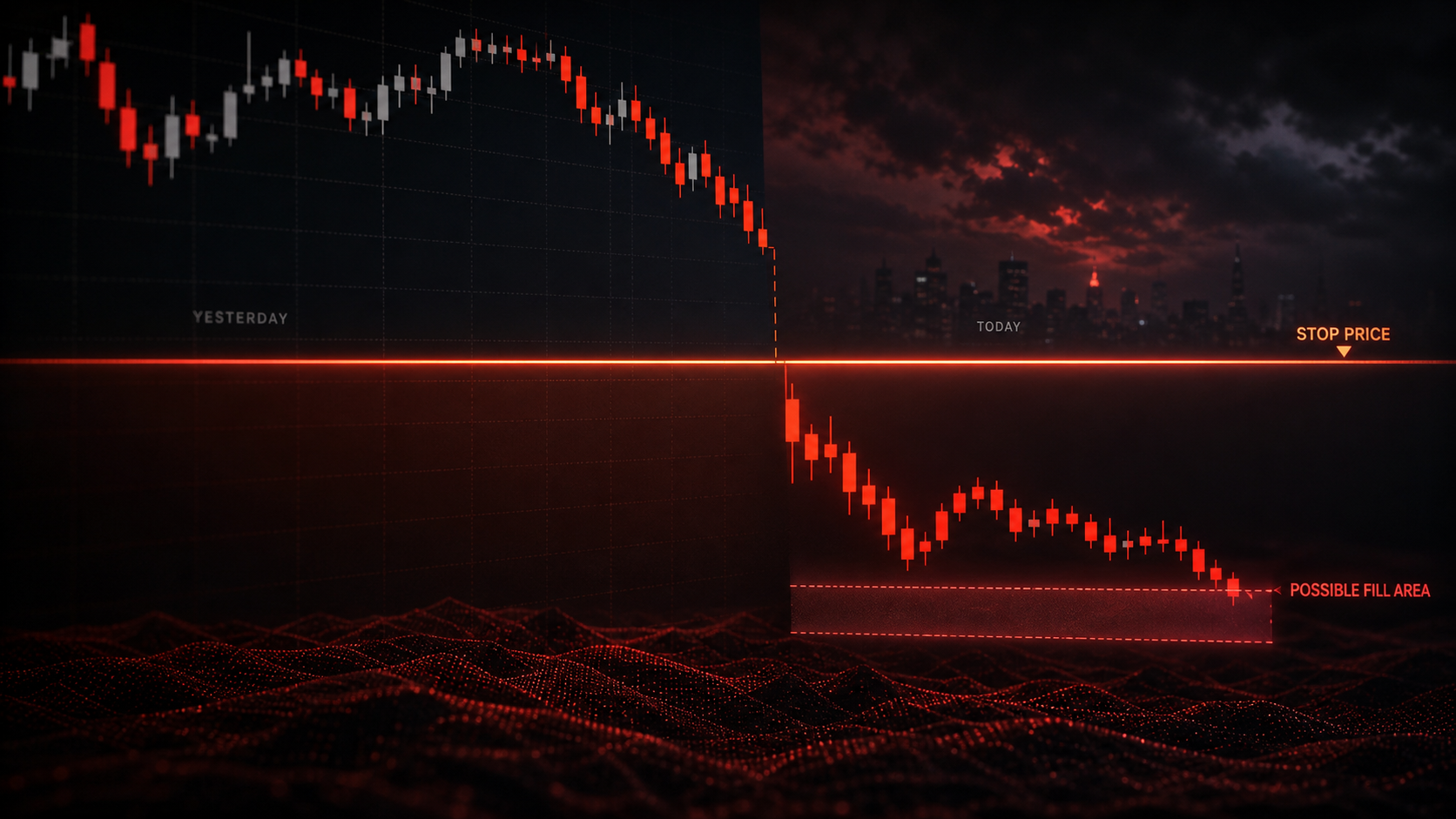
If bad news comes out after hours, a stock may open far below the previous day’s close. In that case, a stop-loss order may trigger at the open, but the execution price could be much lower than the stop price. This is called gap risk.
3. Volatile stocks may trigger stops more easily
Some stocks move sharply during normal trading. If the stop price is too close to the current price, ordinary volatility may trigger a sale even if the investor’s long-term view has not changed. This can lead to selling at an emotionally uncomfortable moment.
4. Stop-limit orders reduce one risk and add another
A stop-limit order can help avoid selling below a chosen limit price. But the tradeoff is no-fill risk. The order may not execute at all if the market falls past the limit price too quickly.
5. Stop-loss orders can conflict with long-term investing
A long-term investor may expect market declines and still plan to hold through them. If a stop-loss order sells automatically during a temporary decline, the investor may move out of the market and then struggle to decide when to re-enter.
6. Portfolio design still matters more than one order type
Risk control starts before an order is placed. The mix of stocks, bonds, cash, and funds should fit your time horizon and financial needs. GSV’s guides to risk tolerance, diversification, and asset allocation explain that broader planning layer.
When a Stop-Loss Order May Be Useful
A stop order can be useful when you have a clear exit rule and want the brokerage platform to act even when you are not watching the screen. Deciding in advance can also reduce the temptation to keep moving your line lower as fear takes over.
But ask yourself: am I trying to exit at almost any available price after the trigger, or will I refuse to sell below a certain price? The first goal points toward a stop order and its price risk. The second points toward a stop-limit order and its no-fill risk. Neither gives you both a guaranteed price and guaranteed execution.
For diversified long-term holdings, position size, diversification, and risk tolerance may be more durable protections than a tight automatic exit.
Common Mistakes to Avoid
Do not treat the stop price as a guaranteed sale price, overlook a limit condition, or forget that a day order can expire. Also avoid placing a tight stop inside a stock’s normal daily movement. An automatic order cannot replace sensible position sizing, and an automatic sale may still create a taxable gain or loss.
How This Guide Was Verified
- Investor.gov: Types of Orders
- FINRA: Order Types and Time Conditions
- FINRA: Stop Orders During Volatile Markets
- SEC: Stop and Stop-Limit Order Executability
Final Thoughts
I thought “sell at a 5% loss” was a complete instruction. It wasn’t. The order still needed answers: trigger on what price, become a market order or a limit order, remain active for how long, and sell only at what price?
Watching that loss grow from around 5% to roughly 28% was painful. I did not sell. I did not buy more. I just watched, almost in tears, while wondering whom I could possibly blame. That helpless feeling is exactly why the small print on an order screen matters.
A stop-loss order can add discipline, but the name sounds safer than the tool really is. A regular stop can sell lower than expected. A stop-limit can refuse to sell while the stock keeps falling. Sigh. There is no version that removes every tradeoff.
Before relying on one, open the confirmation screen and read the order back in plain English. If you cannot explain what happens after the trigger, do not assume the app will make the decision you meant. The difference between stop and stop-limit is small on the screen and enormous in a falling market.
FAQ
What is a stop-loss order in simple terms?
A stop-loss order is an instruction to sell after a security reaches a chosen stop price. It is often used to help limit losses, but the final sale price is not guaranteed.
Does a stop-loss order guarantee the stop price?
No. The stop price is usually a trigger. After the trigger, the order generally becomes a market order, so the execution price can be lower in a fast or gap-down market.
What is the difference between a stop order and a stop-limit order?
A stop order generally becomes a market order after the stop price is reached. A stop-limit order becomes a limit order, which may avoid a worse price but may not execute.
Are stop-loss orders good for beginners?
They can be useful if the investor understands the risks and has a clear exit plan. They can be harmful if used as a substitute for diversification, position sizing, or long-term planning.
Can a stop-loss order sell during a temporary dip?
Yes. If the price reaches the stop level, the order can trigger even if the decline later reverses. This is one reason investors should think carefully about stop placement.
Continue Learning
Educational disclaimer: This article is for general investing education only. It is not personal financial, tax, legal, or investment advice. Investing involves risk, including possible loss of principal.