
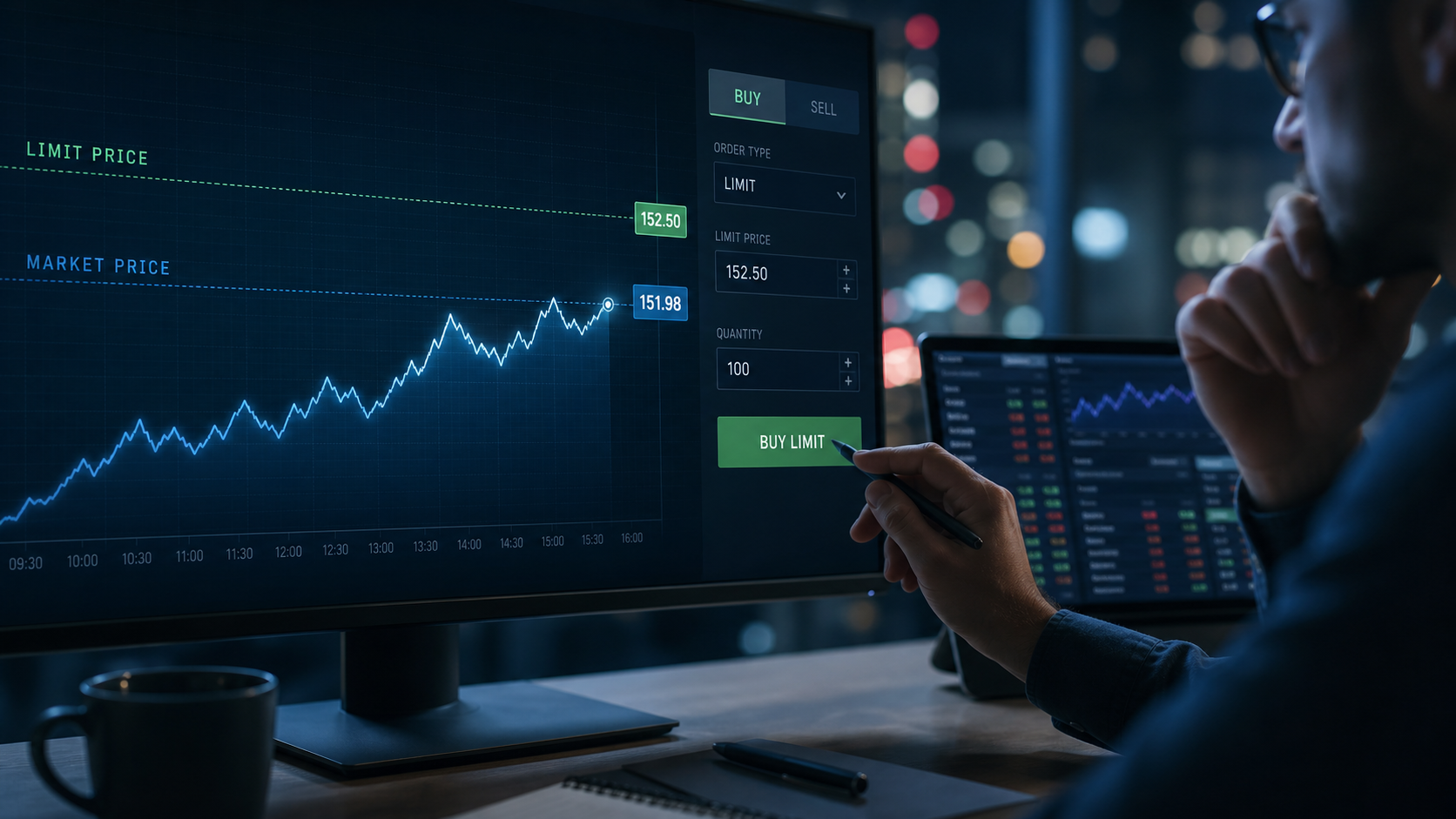
What is a limit order? A limit order is an instruction to buy or sell a security only at a specific price or better. For a buy order, that means your trade can execute at your limit price or lower. For a sell order, it can execute at your limit price or higher.
The main idea is price control. A market order prioritizes getting the trade done quickly. A limit order prioritizes avoiding a worse price than the one you choose. That can be useful when prices are moving fast, when a stock or ETF trades less actively, or when you simply want to be more deliberate.
This guide explains what is a limit order, how it works, when beginners might use one, and what tradeoffs to understand before placing a trade.
Key Takeaways
- A limit order lets you set the worst price you are willing to accept.
- A buy limit order can execute at the limit price or lower.
- A sell limit order can execute at the limit price or higher.
- Limit orders can help manage price risk, but they do not guarantee execution.
- The best order type depends on your goal, the security, and market conditions.
What Is a Limit Order?
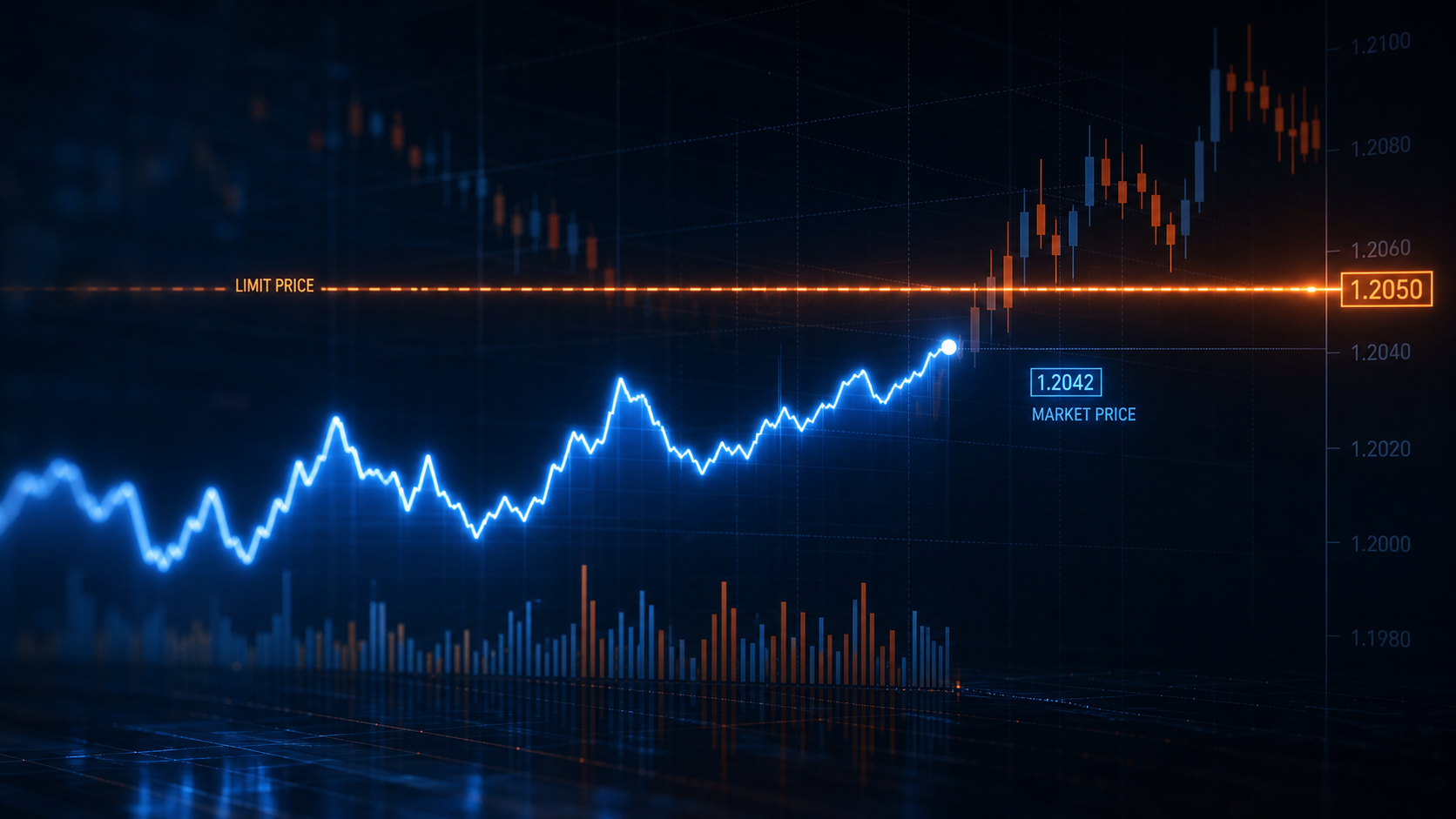
A limit order is a trading instruction with a price condition. You are telling your brokerage firm that you do not want to buy above a certain price or sell below a certain price. If the market can meet that condition, the order may execute. If the market cannot meet it, the order may remain open or expire, depending on the time setting you choose.
Investor.gov explains order types by distinguishing market orders, limit orders, and stop-loss orders. Its beginner explanation notes that a limit order is used to buy or sell at a specific price or better.
For example, imagine a stock is trading around $50 and you only want to buy if the price is $48 or lower. You could place a buy limit order at $48. If sellers are available at $48 or lower while your order is active, the order may execute. If the stock stays above $48, your order may not fill.
How a Buy Limit Order Works
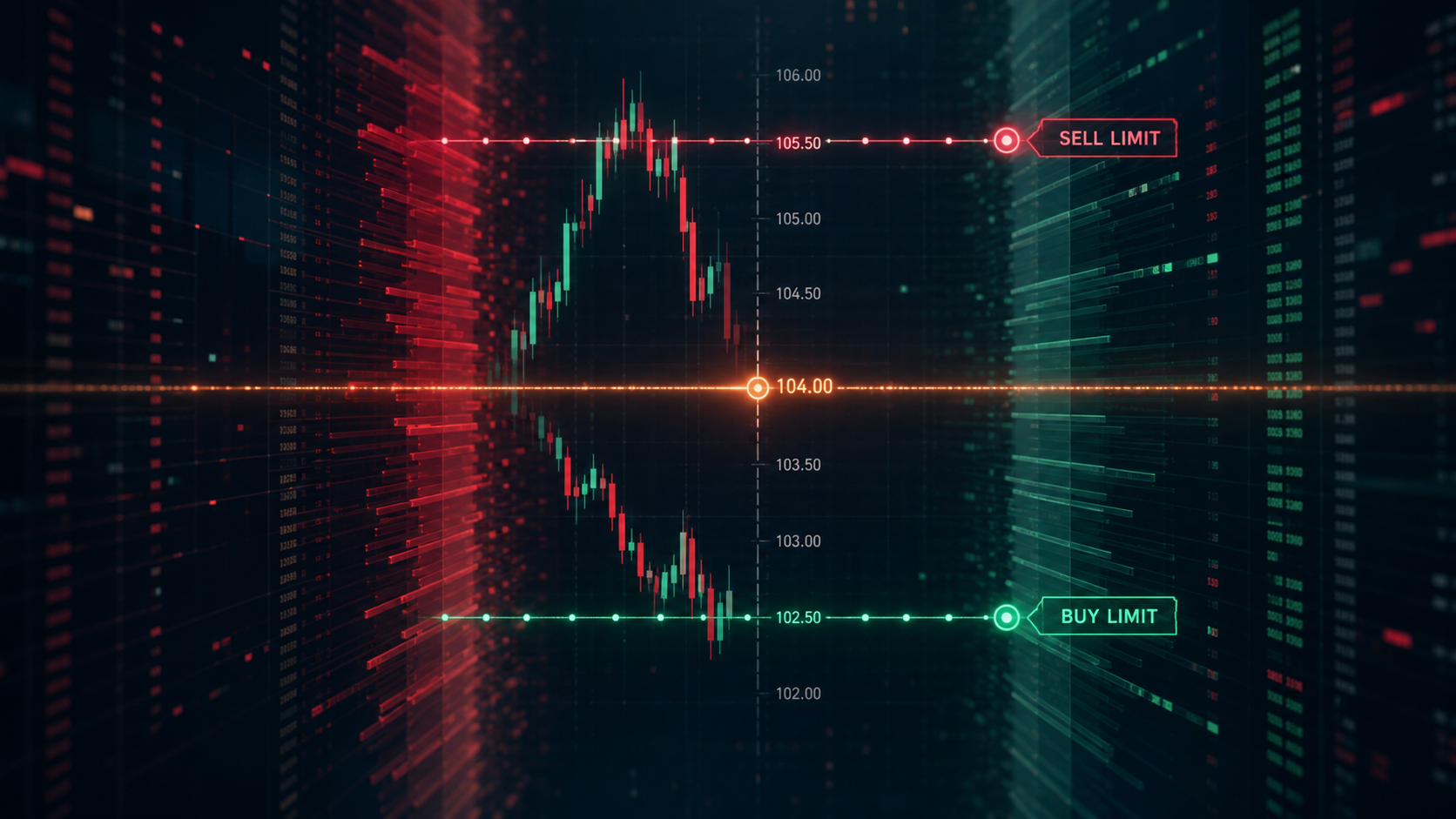
A buy limit order sets the maximum price you are willing to pay. If your limit is $48, the order can fill at $48 or at a lower price, but not above $48. This is why beginners often use limit orders when they care more about the purchase price than immediate execution.
That does not mean the broker will magically find shares at your chosen price. The market has to reach a price where the order can be executed. There also has to be enough available volume. If your limit price is far below the current market, the order may sit there and never fill.
Buy limit orders can be useful when you are comparing stocks, ETFs, or funds and want to avoid paying more than your plan allows. If you are still learning fund structures, GSV’s guide to what an ETF is explains how ETFs trade through brokerage accounts.
How a Sell Limit Order Works
A sell limit order sets the minimum price you are willing to accept. If your sell limit is $60, the order can fill at $60 or at a higher price, but not below $60. This can help prevent an investor from selling at a lower price than intended.
Sell limit orders are often used when investors have a target price. For example, someone who owns a stock at $52 may decide they are willing to sell only if the market reaches $60. If the stock never trades at that level while the order is active, the order will not execute.
This can be helpful, but it also creates a risk. If the price comes close to the limit and then falls, the investor may still own the stock. A limit order controls the acceptable price; it does not guarantee that the market will agree with that price.
Limit Order vs Market Order

The difference between a limit order and a market order is the tradeoff between speed and price control. A market order tells the broker to buy or sell as soon as possible at the best available current price. A limit order says the trade should happen only at your price or better.
FINRA’s order type guide notes that market orders usually provide more certainty of execution, while limit orders give investors more control over price. But with a limit order, the order may not execute at all.
| Order Type | Main Priority | Main Risk |
|---|---|---|
| Market order | Fast execution | The final price may differ from the quote you saw |
| Limit order | Price control | The order may not fill |
| Stop order | Triggering after a stop price | Once triggered, execution price may vary |
If you are investing for the long term through broad funds, the difference between order types may not matter every day. But it can matter when spreads are wide, prices are volatile, or you are trading around the open or close. GSV’s guide to brokerage accounts explains the account structure used to place these trades.
6 Things Beginners Should Know
1. A limit order does not guarantee execution
The most important beginner lesson is simple: price control comes with execution risk. If the market does not reach your limit price, the order may not fill. If only part of the order can be matched, you may receive a partial fill, depending on the brokerage and order conditions.
2. A marketable limit order can behave almost like a market order
If you place a buy limit order above the current ask price, it may execute quickly because the price condition is easy to satisfy. If you place a sell limit order below the current bid price, the same idea may apply. The limit still sets a boundary, but it may not slow the order much.
3. A non-marketable limit order may sit and wait
A buy limit order below the current market or a sell limit order above the current market may not execute immediately. It may wait until the market moves to your price. This can be useful for patience, but it can also mean missing the trade entirely.
4. Time settings matter
Many platforms ask whether the order is good for the day or good until canceled. A day order usually expires if it does not execute by the end of the trading day. A good-till-canceled order may remain active longer, although brokerage rules vary.
5. Thinly traded securities can make limit prices more important
Some stocks and ETFs trade with wider bid-ask spreads. In those cases, a market order can sometimes lead to a less attractive price than expected. A limit order can help define the price you are willing to accept, though it may not execute.
6. The order type should match the investment plan
Order types are tools, not strategies by themselves. If your main goal is a long-term diversified portfolio, the more important questions may be what you own, how much risk you take, and whether your investments fit your timeline. GSV’s guides to diversification, risk tolerance, and asset allocation can help with that bigger picture.
When a Limit Order May Be Useful
A limit order may be useful when you have a clear maximum buy price or minimum sell price. It can also help when trading an ETF with a wider spread, a smaller stock with less trading activity, or a security moving quickly after news.
It may also be useful for investors who want to avoid emotional decisions. Instead of reacting to every price movement, you decide the price that fits your plan in advance. That can be especially helpful during volatile markets. If market declines make you uncomfortable, GSV’s guide to bear markets explains how broad downturns can affect investor behavior.
However, do not use a limit order as a substitute for research. A stock reaching your chosen price does not automatically make it a good investment. The business, valuation, portfolio fit, and risk still matter.
Common Mistakes to Avoid
The first mistake is setting an unrealistic limit price and then wondering why the order never fills. A limit order gives you control over the acceptable price, not control over the market.
The second mistake is ignoring time settings. A day order and a good-till-canceled order behave differently. Before placing the trade, check how long the order will remain active and how your brokerage handles expiration.
The third mistake is confusing limit orders with stop orders. A stop order becomes active after a trigger price is reached. A limit order is already a price instruction. These order types can sound similar, but they solve different problems.
The fourth mistake is overtrading just because the platform makes order entry easy. Frequent trading can increase costs, taxes, and behavioral mistakes. For many beginners, a simple long-term plan matters more than trying to optimize every entry price.
Official Sources
Final Thoughts
What is a limit order? It is a way to tell your broker the price boundary you are willing to accept. For a buy order, the limit is the most you want to pay. For a sell order, the limit is the least you want to receive.
The benefit is control. The tradeoff is that the order may not execute. For beginners, the best use of a limit order is not to predict the perfect price. It is to make sure the order type matches the goal, the security, and the level of price risk you are willing to accept.
FAQ
What is a limit order in simple terms?
A limit order is an instruction to buy or sell only at a specific price or better. It gives price control but does not guarantee that the trade will happen.
Is a limit order safer than a market order?
It can reduce price risk, but it creates execution risk. A market order is more likely to fill quickly, while a limit order may not fill if the market does not reach your price.
What happens if a limit order is not filled?
If the market does not meet your limit price while the order is active, the order may remain open or expire depending on the time setting.
Can a limit order fill at a better price?
Yes. A buy limit order can fill below the limit price, and a sell limit order can fill above the limit price if the market offers a better price.
Should beginners use limit orders?
Beginners may use limit orders when price control matters, especially in volatile or thinly traded securities. They should still understand that the order may not execute.
Continue Learning
Educational disclaimer: This article is for general investing education only. It is not personal financial, tax, legal, or investment advice. Investing involves risk, including possible loss of principal.